

Top Inventory Planning Solutions to Reduce Stockouts and Overstock

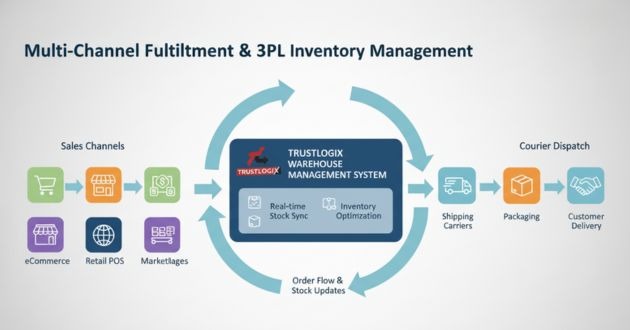
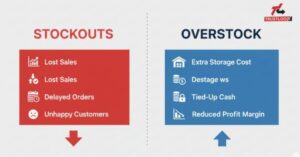
For UK businesses, stock problems usually show up in two painful ways: too little stock when demand rises, or too much stock sitting on shelves and tying up cash. The right inventory planning solutions help fix both. They give you better inventory visibility, stronger demand forecasting, smarter replenishment planning, and extra reliable stock control across every channel. Whether you run eCommerce, wholesale, retail, or fulfilment, the goal is the same: keep the right products available at the right time without wasting money on excess inventory.
At Trustlogix, we see this as more than a software issue. It is a planning issue, a data issue, and an accomplishment issue. Good inventory planning solutions attach inventory management, order planning, purchase planning, and supply planning so you can decrease stockouts, avoid overstock, and improve inventory efficiency. When your team can see live stock positions, recognize lead time, and act on accurate reports, it becomes easier to protect margin, improve stock availability, and keep customers happy.
What Are Inventory Planning Solutions?
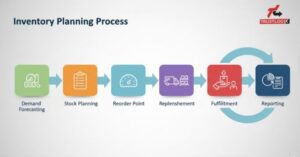
Inventory planning solutions are systems, tools, and methods that help businesses decide what to stock, how much to hold, when to reorder, and where to place inventory. They combine inventory planning, stock planning, demand planning, inventory forecasting, stock forecasting, inventory replenishment, and stock replenishment into one clear workflow.
In simple terms, they help you move from estimation to control. Instead of responding when products go out of stock or when surplus stock starts building up, you use real sales data, demand changeability, supplier times, and reorder point rules to stay fast. The result is better inventory accuracy, improved stock accuracy, and healthier cash flow.
Why Businesses Struggle With Stockouts and Overstock
Inaccurate demand forecasting
Many businesses still depend on basic spreadsheets or rough estimates. That makes it hard to respond to seasonality, promotions, and changing customer behaviour. Weak demand forecasting often leads to stock shortages on fast movers and overstocking on slow movers. Better inventory planning solutions decrease this risk by using historical trends, sales velocity, and supplier timing to guide replenishment.
Poor replenishment planning
Even when sales data is available, a poor replenishment strategy creates problems. Teams may reorder too late, buy too much, or ignore safeguard stock and safety stock needs. Without strong replenishment planning, a business can swing between shortages and high storage costs. Smart reordering rules help maintain the right reorder level and protect service levels.
Disconnected warehouse and sales data
If warehouse systems, marketplaces, and back-office tools do not sync, stock figures become unreliable. That leads to delayed updates, overselling, and poor fulfillment choices. Good inventory optimization depends on one version of the truth, particularly when you hold warehouse inventory in more than one location.
Manual stock control across channels
Manual updates may work when a business is small, but they rapidly break under pressure. Multi-platform selling needs real-time stock sync, not behind admin work. Strong multi-channel inventory control helps protect stock turnover, reduce errors, and support faster order fulfilment.
Key Features to Look for in Inventory Planning Solutions

Real-time inventory management dashboard
A strong inventory management dashboard should give you immediate visibility of stock by SKU, channel, and warehouse. You should be able to see low-stock items, slow movers, demand changes, and order status in one place. This supports faster decisions and better inventory tracking.
Demand forecasting and replenishment planning
The best inventory planning solutions contain forecasting tools that turn sales data into action. They support demand planning, forecast future demand, and recommend what to buy and when. This improves inventory balancing and helps reduce both stockouts and overstock.
Automated reorder points and low-stock alerts
Manual reviews take time and create risk. Automated inventory alerts, reorder point triggers, and low-stock warnings help teams act earlier. This is especially useful when lead time changes or demand spikes without warning.
Multi-warehouse and multi-channel inventory visibility
If you sell across websites, marketplaces, retail stores, or wholesale accounts, you need clear inventory visibility across every location. Multi-site visibility improves stock management, reduces misallocation, and supports smarter transfer decisions between warehouses.
SKU, batch, barcode, and serial tracking
Detailed SKU management is important for accuracy. Barcode, batch, lot, and serial tracking help teams trace stock quickly, reduce picking errors, and improve traceability. This matters for both fast fulfilment and controlled operations.
Reporting, analytics, and stock optimization tools
Good systems do more than store data. They give you clear inventory analytics, KPI tracking, trend reporting, and alerts that support stock optimization. That means better decisions on purchasing, placement, and stock cover.
Top Inventory Planning Solutions by Business Type
3PL inventory management system
A strong 3PL inventory management system helps fulfillment providers manage client stock, multiple warehouses, live order flow, and reporting. If you are comparing platforms or searching terms like channel fusion 3pl, the real importance should be visibility, client reporting, and fast stock movement across locations.
Manufacturing and inventory management software
Manufacturing and inventory management software should connect raw materials, work in progress, finished goods, and purchasing. Construction teams need accurate stock data to avoid delays, missed jobs, and excess holding.
Warehouse inventory management software
Warehouse inventory management software should support receiving, put-away, picking, packing, dispatch, and real-time stock updates. It is vital for businesses that need fast, accurate movement across bins, zones, or sites.
Small business inventory management
Small business inventory management should be simple, affordable, and easy to use. Small teams need visibility without a heavy setup. The right tool should support growth, not create more admin.
Multi-channel retail and eCommerce inventory planning
Retailers and online sellers need stock synced across all sales channels. Good inventory planning solutions help prevent overselling, improve stock control, and keep your best sellers available.
Best 3PL Inventory Management System Features for Fast-Growing Brands
For growing brands, the best 3PL inventory management system supports client-level visibility, fast receiving, accurate picking, courier integration, and live reporting. It should also handle returns, order status, and inventory replenishment without delay. A good setup decreases manual work and improves service across every client account. Trustlogix mentions choosing a platform that gives both warehouse teams and brand owners access to clear, real-time stock data.
Best Manufacturing and Inventory Management Software for Production Control
The best manufacturing and inventory management software helps manufacturers manage materials, components, and finished products in one flow. It should support supply chain planning, purchasing, demand signals, and production timing. When production control is linked to live stock data, businesses reduce downtime, improve inventory turnover, and avoid buying materials too early.
Best Warehouse Inventory Management Software for Real-Time Accuracy
The best warehouse inventory management software gives teams live stock positions, barcode workflows, clear bin locations, and accurate movement records. This improves picking speed, reduces errors, and strengthens inventory control. For UK operations with more than one warehouse, strong location control is essential for reliable fulfilment and cleaner reporting.
Small Business Inventory Management: What to Prioritise First
With small business inventory management, start with the basics: real-time stock levels, simple reorder rules, clean SKU setup, and a clear dashboard. Small teams do not need complexity first. They need visibility, fewer mistakes, and better buying decisions. Once that foundation is strong, they can add forecasting, channel integrations, and more advanced reporting.
Inventory Management Dashboard Metrics That Reduce Stockouts and Overstock
A strong inventory management dashboard turns raw data into clear action. For Trustlogix, the most useful metrics are the ones that help teams spot risk early and respond fast.
Stock availability rate
This shows how often products are available when customers want them. A low rate points to weak planning or unreliable replenishment.
Inventory turnover
High inventory turnover usually means stock is moving well. Low turnover can suggest surplus stock, weak demand, or poor buying decisions.
Days of inventory on hand
This tells you how long the current stock will last. It helps with purchase planning and cash flow.
Reorder accuracy
This measures how often your reorder decisions match real demand and supplier timing.
Excess stock value
This shows how much cash is tied up in slow or unnecessary stock.
Backorder and stockout rate
These numbers show how often customers are waiting because products are unavailable. They are key indicators of service risk.
Inventory Optimization Services vs Inventory Planning Software

Inventory optimization services and software are not the same thing, even though they work best together. Software gives you tools, data, rules, and dashboards. Services bring expertise, process design, and hands-on support. If your business is growing quickly, launching new SKUs, or managing complex channel demand, you may need both.
At Trustlogix, we see software as the engine and service as the strategy behind it. Strong inventory optimization services help businesses set the right stock policies, improve stock balancing, reduce carrying costs, and align purchasing with demand. The best outcome comes when systems and people work together.
How to Choose the Right Inventory Planning Solution
Business size and order volume
Choose a tool that matches your current volume but can also scale as orders increase.
Warehouse complexity
The more locations, zones, and stock movements you have, the more important warehouse control becomes.
Manufacturing or assembly needs
If you build or assemble products, your system must support components, materials, and production flow.
3PL and channel integrations
For fulfillment and e-commerce, integrations matter. Your platform should sync sales, warehouse, and shipping data cleanly.
Dashboard and reporting requirements
If managers cannot see the right KPI data, they cannot plan well. Reporting should be clear and useful.
Scalability and support
Look for a solution that can grow with your business and comes with dependable onboarding and support.
Why Real-Time Inventory Visibility Matters Across 3PL, Warehouse, and Manufacturing Operations
Real-time data changes the quality of every stock decision. It helps 3PL providers manage client expectations, warehouses improve accuracy, and manufacturers protect production flow. Better real-time inventory visibility supports cleaner inventory tracking, faster responses to demand swings, lower risk of inventory shortage, and more confident planning across the whole business. When teams can trust the data, they can reduce waste, improve service, and act before problems grow. That is why strong inventory planning solutions matter so much for UK businesses under pressure to move faster and stay lean.
Frequently asked questions
What is the difference between inventory planning and inventory management?
Inventory planning focuses on future decisions like how much stock to buy, when to reorder, and how to handle demand changes. Inventory management focuses on day-to-day control, such as receiving, storing, moving, counting, and shipping stock. The two work best together. Planning decides what should happen; management makes sure it happens well.
How do inventory planning solutions reduce stockouts?
Inventory planning solutions reduce stockouts by improving demand forecasting, tracking supplier lead time, setting smart reorder rules, and creating earlier low-stock alerts. This gives teams more time to replenish before products run out.
How do they help reduce overstock?
They reduce overstock by showing real demand patterns, slow-moving SKUs, and excess buying. Better planning helps teams avoid ordering too much too soon, which lowers storage costs, protects cash flow, and reduces excess inventory.
What is the best inventory planning solution for a 3PL?
The best solution for a 3PL is one that combines warehouse control, live client visibility, accurate stock tracking, and strong reporting. A reliable 3pl inventory management system should also support integrations, returns, and multi-client workflows.
What should a warehouse inventory management software include?
Good warehouse inventory management software should include barcode scanning, location control, receiving, picking, packing, dispatch tracking, real-time updates, and reporting. These features improve speed, visibility, and accuracy.
Do small businesses need an inventory management dashboard?
Yes. Even a small team benefits from an inventory management dashboard because it saves time and highlights stock risk quickly. A simple dashboard helps track fast sellers, low-stock items, and cash tied up in slow stock.
Can inventory planning software work across multiple sales channels?
Yes. Many modern systems support multi-channel inventory visibility, so businesses can track stock across websites, marketplaces, wholesale, and warehouse locations in one place. This reduces overselling and improves stock accuracy.
