

Blog
Inventory Management for Fashion & Apparel Brands

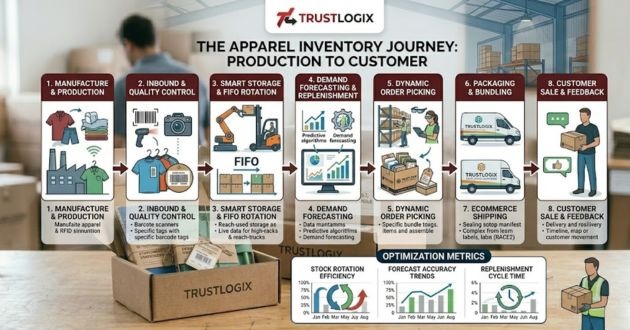
Effective inventory management for fashion brands is important for the success of apparel businesses, mainly in the fast-moving world of fashion retail. With clothing inventory management systems constantly evolving, UK-based fashion brands must adopt strategic practices that guarantee profitability, improve customer satisfaction, and reduce operational costs. This guide will delve into the core facets of fashion inventory management and the best practices to help apparel brands effectively manage stock, improve supply chain efficiency, and enhance sales performance.
What Is Inventory Management in Fashion & Apparel Retail?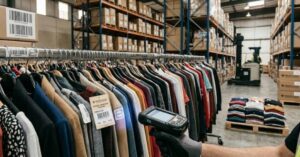
Inventory management in fashion retail refers to the processes and technologies used by businesses to track, store, and manage their products. It contains everything from the moment products are manufactured or sourced to when they are sold to the final customer.
For UK fashion brands, effective inventory management is vital due to several reasons:
- Seasonality: Fashion products are highly seasonal, meaning brands must adjust their inventory levels based on trends and consumer preferences.
- Trends: Fashion trends change fast, and having the right stock at the right time is crucial to meeting consumer demand.
- Supply Chain Disruptions: The global supply chain is often disrupted by logistical issues, such as delays in shipping, which can lead to overstocking or stockouts.
By well managing inventory, fashion brands can improve profitability, minimize extra inventory costs, and confirm that they have the right products available at the right time. The key is striking a balance between overstock management and stockout prevention to maintain the most efficient inventory turnover.
Clothing Inventory Management Explained
Definition & Objectives
Clothing inventory management involves tracking the movement of products within the fashion industry, from raw materials to finished goods. Its main objective is to guarantee that fashion brands have sufficient stock to meet demand without over-purchasing or gathering unsellable inventory. By utilizing real-time inventory data and leveraging technologies like barcode scanning and RFID, businesses can monitor their stock more accurately and make informed decisions.
How Fashion Inventory Differs from General Retail Inventory
Unlike general retail inventory, apparel inventory management involves more difficulty due to the sheer variety of stock-keeping units (SKUs). Clothing businesses often need to manage products in various sizes, colors, and styles, which requires specialized systems for tracking and forecasting. Additionally, fashion inventory is influenced by seasonality and fashion trend forecasting, making demand forecasts more challenging.
The Role of Inventory in Profitability & Customer Experience
Effective inventory management can significantly improve profit margins by minimizing carrying costs and reducing waste due to unsold stock. Moreover, having the right inventory levels can improve the customer experience by ensuring that products are readily available. Customers are more likely to purchase from brands that offer the items without the frustration of stockouts or overly discounted, outdated products.
Types of Inventories in Fashion & Apparel
Fashion brands typically deal with several types of inventory:
Raw Materials Inventory
Raw materials, such as fabrics, buttons, zippers, and other essential components, form the foundation of clothing production. Managing raw materials inventory is vital to ensure that production can continue without delays. Proper apparel demand forecasting helps ensure that enough materials are on hand to meet production schedules without overstocking.
Work-In-Progress (WIP) Inventory
Work-in-progress (WIP) inventory refers to products that are in the process of being manufactured but have not yet been completed. Efficient WIP inventory management allows fashion brands to track incomplete goods and avoid bottlenecks in the production line.
Finished Goods Inventory
Finished goods are the ready-to-sell products that have completed the manufacturing process. Handling finished goods inventory effectively ensures that these products are available for sale in stores or online when demand peaks, particularly during seasonal sales cycles.
Seasonal & Trend-Stock Categories
Fashion products often have a limited shelf life, influenced by seasonal stock management and fashion trend forecasting. Managing seasonal inventory requires advanced forecasting techniques to ensure that the stock is refilled just in time to meet demand without leading to excess inventory at the end of the season.
How to Manage Inventory Effectively in Fashion Retail
Managing inventory professionally is crucial for fashion brands to optimize their operations and maximize profitability. Here are key strategies for retail inventory management:
Demand Forecasting & Trend Analysis
One of the most critical features of effective inventory management is the ability to anticipate demand. Fashion businesses need to rely on both apparel stock forecasting and fashion trend forecasting to understand which products will be popular and when. This enables businesses to stock the right products at the right time, minimizing overstock and stockouts.
Seasonal & Promotional Planning
Fashion brands must adjust their inventory levels according to the time of year and planned promotions. Understanding sales cycles and seasonal fluctuations can help fashion businesses line up their inventory levels with demand. Proper seasonal stock management ensures that companies don’t run out of stock during high-demand periods or overstock during slower months.
Reordering & Safety Stock Strategies
Establishing replenishment alerts and safety stock strategies ensures that fashion brands can restock popular items before they run out. This approach averts stockouts and keeps inventory turnover high, which ultimately boosts sales and reduces the chances of lost revenue.
Reducing Overstock and Stockouts
By closely monitoring inventory levels and utilizing real-time inventory tracking, fashion brands can reduce both overstock management and stockout prevention challenges. This approach leads to higher inventory optimization, reducing storage costs and ensuring that there are always enough products on hand to meet demand.
Fashion Inventory Management Systems & Technology
The right technology can streamline fashion inventory management and ensure that fashion brands are operating efficiently.
Real-Time Inventory Tracking
Real-time inventory tracking permits fashion businesses to monitor stock levels across multiple locations in real-time. This guarantees that companies have up-to-date data, which aids in inventory optimization and stock balancing.
ERP & Omnichannel Synchronization
Enterprise Resource Planning (ERP) systems integrated with multichannel inventory systems allow fashion brands to synchronize their stock across various platforms, including physical stores, e-commerce, and marketplaces. This integration enables Omnichannel Inventory Management, ensuring a seamless shopping experience for customers regardless of the purchasing platform.
Barcode & RFID Tools
Barcode scanning and RFID technology reorganize the inventory lifecycle management by allowing fashion businesses to automatically track and update stock levels. This technology also reduces human errors in stock counting and makes the replenishment process faster and more accurate.
Automated Replenishment & Alerts
Automated systems that trigger replenishment alerts ensure that businesses can restock popular items quickly. This helps to maintain an optimal balance between supply and demand, reducing the chances of stockouts or overstocking.
UK-Focused Software Options
In the UK, specific inventory management software options cater to local needs, offering features such as integration with UK-based suppliers, retailers, and shipping companies. These systems provide tailored solutions for fashion inventory management that help streamline operations.
Inventory Management Trends in the UK Fashion Market
As the UK fashion retail landscape evolves, brands must keep pace with the latest inventory management trends.
Seasonal Cycles & UK Buying Patterns
Understanding seasonal stock management and local buying patterns in the UK is key for fashion brands. With changing weather and changing trends, brands must adjust their inventory accordingly to meet UK customer demand.
Multichannel Selling in the UK Context
UK fashion brands increasingly rely on multichannel inventory systems to sell across physical stores, online platforms, and third-party marketplaces. This requires seamless synchronization of stock levels to avoid stockouts and overstock circumstances.
Local Return and Quality Challenges
Fashion retailers in the UK must handle higher return rates, particularly in online shopping. Applying effective returns management processes is crucial to maintaining accurate inventory levels and ensuring that returned goods are processed quickly and restocked if necessary.
Sustainability & Dead Stock Impacts
With rising concerns over sustainability, UK fashion brands are under pressure to manage dead stock efficiently. Excess stock that cannot be sold must be handled responsibly, either through discounts or donations, to reduce environmental impact.
Key Inventory Performance Metrics & KPIs
Tracking key performance indicators (KPIs) is essential for measuring the effectiveness of inventory management.
Inventory Turnover Rates
High inventory turnover rates specify efficient stock management. Brands should aim to sell products quickly to avoid excess stock and associated holding costs.
Days of Inventory on Hand
The number of days a brand can sell its inventory before needing a restock is another critical measure. This helps businesses enhance inventory lifecycle management.
Stockout % and Sell-Through Rates
Measuring stockout percentages and sell-through rates ensures that fashion brands maintain the right balance between supply and demand. Low stockout rates and high sell-through rates indicate good inventory management practices.
SKU Performance Analysis
Tracking SKU performance is essential for recognizing which products are selling well and which ones aren’t. This helps fashion brands make data-driven decisions for apparel inventory management and fashion trend forecasting.
Omnichannel & Retail Inventory Management Solutions
Managing inventory across multiple sales channels is essential for UK fashion brands.
Synchronizing Stock Across Stores, Online, and Marketplaces
Integrating physical stores with online platforms and marketplaces ensures that brands have a unified view of stock across all channels, permitting efficient Omnichannel Inventory Management.
UK-Specific Omnichannel Challenges
UK fashion brands face unique challenges in omnichannel management, including logistical issues related to shipping, delivery times, and inventory tracking. Overcoming these challenges requires adopting advanced inventory systems and technologies.
BOPIS, BORIS & Fulfillment Strategies
Offering Buy Online, Pick Up in Store (BOPIS) and Buy Online, Return in Store (BORIS) services are becoming more popular in the UK. Efficient inventory management systems support these services by enabling real-time inventory updates.
Conclusion: Optimizing Inventory for UK Fashion & Apparel Success
Efficient inventory management is critical for fashion brands to meet the ever-changing demands of consumers in the UK market. By implementing the best practices outlined in this guide, such as fashion trend forecasting, multichannel inventory management, and real-time inventory tracking, UK-based apparel businesses can enhance profitability, improve customer satisfaction, and gain a competitive edge in the fast-paced world of fashion retail.
Frequently Asked Questions
What is fashion inventory management?
Fashion inventory management is the process of tracking, managing, and optimizing stock levels for fashion products, ensuring that brands have the right amount of inventory to meet demand while minimizing costs.
How do UK shops track stock efficiently?
UK shops use multichannel inventory systems and real-time inventory tracking to monitor stock across various platforms, ensuring accuracy and reducing errors.
What’s the difference between retail inventory and apparel inventory?
Retail inventory includes all types of products, while apparel inventory specifically refers to clothing items, requiring more complex tracking due to variations in size, color, and style.
How to avoid stockouts and excess inventory?
By using demand forecasting, seasonal stock management, and automated replenishment systems, fashion brands can prevent both stockouts and excess inventory, ensuring a smooth inventory lifecycle.
