

How to Reduce Dead Stock in Warehouse

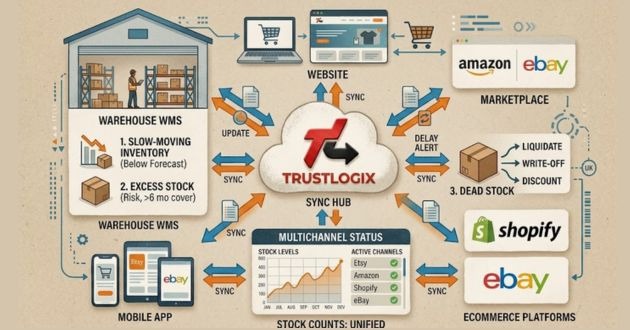
Handling inventory is one of the biggest challenges for UK businesses today. Even with smart preparation, many companies still struggle with dead stock, products that sit in warehouses and never sell. This not only blocks valuable warehouse space but also damages cash flow, increases storage costs, and ties up assets that could be used elsewhere.
If you want to understand how to reduce dead stock inventory, this guide will walk you through proven strategies, tools, and systems to effectively control and dispose of unsellable inventory.
What Is Dead Stock in Inventory Management?
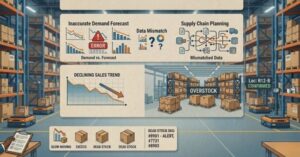
“Dead stock refers to products that are unlikely to sell in the future. These items become part of your dead inventory repeatedly due to poor planning, low demand, or outdated trends.
Businesses dealing with obsolete inventory, excess inventory, or surplus stock often face serious financial pressure.
Dead Stock vs Deadstock (Important Difference)
It’s important to separate “dead stock” from “deadstock.”
- Dead stock = unsellable inventory
- Deadstock = rare, unused items (often valuable, like sneakers)
Examples of Dead Stock in Warehouses
- Slow-moving inventory is turning into stale stock
- Outdated inventory
- Damaged goods or imperfect products
- Expired products
- Seasonal inventory left unsold
Why Dead Stock Is Bad for Your Business
Dead stock is more than just unsold goods; it directly affects profitability.
Impact on Cash Flow and Revenue
When inventory doesn’t sell, your money stays locked in tied-up capital. This reduces your ability to invest in faster-selling products.
Inventory Carrying Costs Explained
Holding inventory costs money. These carrying costs include:
- Handling expenses
- Labor
- Storage costs
- Insurance
The longer the inventory stays unsold, the higher the holding costs.
Warehouse Space and Opportunity Cost
Dead stock consumes valuable warehouse space that could be used for profitable items. This leads to lost opportunities and reduced warehouse efficiency.
What Causes Dead Stock in Warehouses?
Understanding the root cause is key to learning how to avoid dead stock.
Inaccurate Demand Forecasting
One of the major causes is inaccurate demand forecasting. If you fail to forecast demand properly, you risk overstocking.
Overordering and Poor Inventory Planning
Over-ordering leads to overstock and additional inventory levels that are difficult to sell.
Low Sales and Changing Customer Demand
Customer favorites change quickly. Products that once sold well can become unsellable inventory.
Poor Inventory Control Systems
Without a strong inventory control system, tracking stock becomes difficult, leading to errors and overstocking.
Long Lead Times and Supply Chain Issues
Delays in supply chains reduce supply chain visibility, causing mismatches between supply and customer demand.
How to Reduce Dead Stock Inventory (Proven Strategies)

Now let’s focus on the most important part: how to reduce dead stock inventory effectively.
Improve Demand Forecasting Accuracy
Use data-driven inventory forecasting and demand planning. Analyze past sales, trends, and seasonality to improve accuracy.
Optimize Inventory Control System
A modern inventory control system helps track stock in real time and avoid errors. This guarantees better inventory management and smarter decisions.
Monitor Slow-Moving SKUs Early
Track stock aging regularly. Identify slow-moving inventory before it turns into dead stock.
Use FIFO, JIT, and stock rotation methods.
- Just-in-time inventory reduces excess stock
- LIFO can help in certain cost structures
- FIFO (First In, First Out) prevents expiration
Reduce Overstock with Better Reorder Points
Set accurate reorder points and maintain proper safety stock to prevent overstocking.
Improve Sales and Marketing Strategy
Sometimes the problem is not the product but the visibility. Improve marketing, pricing, and promotions to boost sales.
Best Ways to Clear Existing Dead Stock
If you already have dead stock, here’s how to recover value.
Clearance Sales and Discounts
A clearance sale is one of the fastest ways to convert dead stock into cash flow.
Product Bundling and Promotions
Use product bundling to combine slow-moving items with popular products.
Sell via Alternative Channels (Amazon, eBay)
Explore alternative sales channels like marketplaces to reach new customers.
Liquidation and Wholesale Options
Sell to wholesalers through wholesale liquidation to free up warehouse space quickly.
Donation and Tax Benefits
Donating stock helps reduce losses and may offer tax benefits.
Best Inventory Control Software to Prevent Dead Stock
Technology

plays a key role in preventing dead stock.
What Is Inventory Control Software?
If you’re asking what inventory control is, it refers to systems used to track, manage, and optimize stock levels.
Features to Look for in Inventory Software
The best inventory control software should include:
- Integration with sales channels
- Stock replenishment alerts
- Real-time inventory tracking
- Demand forecasting tools
- SKU management
How Inventory Systems Help Forecast Demand
Advanced inventory software uses data analytics to improve forecasting and reduce errors caused by human judgment.
How to Forecast Demand and Avoid Dead Stock

Demand Forecasting Methods
Use historical data, market trends, and AI-based tools for accurate forecasting.
Inventory KPIs (Turnover Ratio, Safety Stock)
Key metrics include:
- Inventory turnover
- Stock turnover
- Safety stock levels
Data-Driven Inventory Planning
Data-driven planning ensures better decisions and reduces the risk of obsolete inventory.
How to Avoid Dead Stock in the Future
Prevention is always better than correction.
Real-Time Inventory Tracking
Use systems that provide live updates on inventory levels and movements.
Better Supplier and Ordering Strategy
Avoid bulk buying unless necessary. Improve supplier coordination.
Customer Demand Analysis
Understand what customers want using surveys, sales data, and analytics.
Final Thoughts
Reducing dead stock is not just about clearing unsellable inventory; it’s about building a smarter system. By joining strong inventory management, accurate forecasting of demand, and the best inventory control software, UK businesses can improve profitability and warehouse efficiency.
If you focus on data-driven decisions, proactive monitoring, and smart sales strategies, you can not only reduce dead stock but also create a more resilient and profitable supply chain.
Frequently asked questions
What is dead stock?
Dead stock is inventory that cannot be sold due to low demand, expiry, or obsolescence.
How to reduce dead stock inventory?
You can reduce it by improving forecasting, using inventory software, and clearing excess stock through discounts or alternative channels.
What is inventory control?
Inventory control is the process of managing stock levels, tracking movement, and ensuring optimal inventory availability.
How does forecasting reduce dead stock?
Accurate forecasting helps businesses order the right quantity, reducing excess inventory.
What dead stock stores are near me?
These are stores or outlets that specialize in selling discounted or surplus inventory locally.
What are dead stock stores?
Dead stock stores sell unsold or surplus items at lower prices, often sourced from warehouses or liquidations.
How do I avoid dead stock completely?
While it’s hard to eliminate, strong planning, forecasting, and inventory control systems can minimize it significantly.
