



How to Effectively Manage International Shipping Costs and Free Shipping Discount Codes to Boost Your Sales

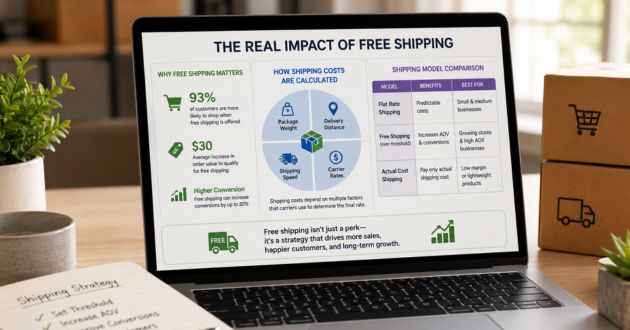
In today’s fast-paced world of e-commerce, shipping costs can make or break a business. Managing international shipping costs while offering free shipping discount codes is one of the most powerful ways to boost your sales and customer loyalty. Whether you’re a small local retailer or an international business trying to reach customers, understanding how to optimize your shipping strategies can put you ahead of the competition. This guide will show you how to effectively manage international shipping costs, leverage free shipping offers, and use shipping discount codes to increase conversion rates.
Why Shipping Costs Matter More Than Ever
Shipping costs have always been a critical part of running a successful business. However, they are becoming increasingly important as businesses seek to deliver value while maintaining profitability. With the rise of global e-commerce and customer expectations for faster delivery times, reducing international shipping costs while offering free shipping discount codes is a vital strategy for success.
Consumers today are looking for fast, free, or low-cost shipping options that don’t compromise their purchase experience. However, unoptimized shipping strategies can lead to high operational costs and cart abandonment. Learning how to strike the right balance between customer satisfaction and profit margins is essential for your business to grow.
How International Shipping Costs Impact Your Business
Shipping costs can significantly affect your bottom line, especially when dealing with international customers. Whether you’re shipping products across the globe or to regions like Europe or Asia, understanding the key factors that influence shipping costs is crucial.
Core Factors Influencing International Shipping Rates
Several factors determine your international shipping rates, including:
- Weight and Size of Packages: Heavier or larger items will generally incur higher shipping costs. For example, shipping a 20-pound package can be far more expensive than sending smaller items.
- Destination: Shipping to distant countries or remote areas, such as rural areas, will often cost more than shipping within a region.
- Customs and Duties: International shipments may be subject to taxes, tariffs, and other fees that increase the overall cost of delivery. You’ll need to factor these into your pricing and shipping strategies.
- Carrier Rates: Different carriers offer varying rates depending on their region, service level, and package type. Choosing the right shipping models can help you find the most cost-effective solution.
How Different Regions Impact Shipping Costs

Shipping to different regions can have a huge impact on your costs. For example, shipping to major cities like Manchester might be quicker and cheaper than sending to more remote areas. International shipments to countries like Canada or Mexico may have lower duties and faster transit times compared to shipping to regions like.
Understanding the cost difference between shipping to areas like Europe versus Asia or Latin America will help you make more informed shipping decisions and adjust your pricing accordingly.
Ways to Lower Your International Shipping Costs
There are several strategies to reduce your international shipping costs:
- Consolidating Shipments: Ship in bulk to reduce per unit shipping costs.
- Negotiate with Carriers: Always look for the best carrier deals, especially if you’re shipping frequently.
- Use Fulfillment Centers: Fulfillment centers in strategic locations near popular markets can drastically cut down on shipping time and cost.
The Art of Accurate Shipping Cost Calculation: Tools & Tips
Accurately calculating shipping costs ensures you set the right prices for your products and avoid unexpected charges. Whether you are based near Manchester or operating internationally, here’s how to get it right.
Tools You Need to Accurately Calculate International Shipping Costs
Using the right tools can save you time and money. Some of the most popular shipping cost calculators include the following:
- Shipping Carrier Calculators: Most carriers (FedEx, UPS, DHL, etc.) provide online calculators to help businesses estimate shipping costs based on weight, size, and destination.
- Shipping Management Software: Programs like TrustLogix offer advanced shipping cost management, helping you optimize carrier rates and integrate them with your store’s checkout process.
Understanding the Variables: How Weight, Size, and Destination Affect Your Costs
The size and weight of your package are the most significant factors that influence shipping costs. Smaller and lighter packages will typically be cheaper to ship, especially when sending them to locations in the local area or nearby states.
Destination plays a big role in shipping costs. For example, shipping to the U.K. or Australia could be far more expensive than shipping locally.
How to Incorporate Taxes and Duties into Your Shipping Cost Calculation
Taxes and duties are often overlooked but play a significant role in international shipping. Understanding how to include them in your calculations can help you avoid unexpected shipping fees. Some carriers offer customs brokerage services to simplify the process.
Best Practices for Implementing Free Shipping to Boost Sales

Offering free shipping can be a game-changer for businesses of all sizes. From local stores to international retailers, free shipping is one of the most powerful incentives you can offer to customers.
How Offering Free Shipping Can Drive Conversion Rates and Sales Growth
Studies show that free shipping can boost conversion rates by up to 30%. By eliminating shipping fees during checkout, you’ll see a decrease in cart abandonment. The psychological effect of “free” shipping encourages customers to complete their purchase, even if it means increasing their order size to meet the shipping threshold.
Pros and Cons of Offering Free Shipping for International Orders
While offering free shipping can increase conversions, international free shipping can have a significant impact on your profit margins. You’ll need to weigh the cost of offering free shipping against the benefit of attracting more international customers, especially if you’re shipping to remote areas like those near the UK.
How to Set Effective Free Shipping Thresholds for Your Store
Setting the right threshold for free shipping is essential. If your average order value (AOV) is a threshold set just above this, it can encourage customers to add more items without reducing your margins too much.
Maximizing Free Shipping Discount Codes to Increase Customer Loyalty
Where to Find High-Impact Free Shipping Discount Codes for 2026
To stay competitive, businesses can offer seasonal discount codes or partner to offer promotional codes that attract customers.
How to Implement Free Shipping Discount Codes Effectively Across Your Website
Integrating free shipping discount codes at the right point in your customer journey, such as on the checkout page, can make a significant impact. These discount codes should be easy to find on product pages and incorporated into your email campaigns to drive repeat purchases.
Shipping Container Costs: Understanding & Reducing the Financial Burden
![Local delivery scene near [local landmark], with e-commerce packages being delivered to customers using free shipping](https://trustlogix.co.uk/wp-content/uploads/2026/05/local-delivery-landmark-300x157.jpg "How to Effectively Manage International Shipping Costs and Free Shipping Discount Codes to Boost Your Sales 4")
What Are Shipping Containers, and How Do They Impact Your International Shipping Costs?
Shipping container costs are a major factor when shipping goods internationally. Understanding container sizes, freight rates, and container optimization can drastically reduce costs.
How to Calculate the Cost of Shipping Containers
Shipping container costs vary based on shipping lanes, carrier rates, and customs duties. By working with third-party logistics providers (3PLs) who specialize in container shipping, you can reduce overall costs and avoid inefficiencies.
Practical Tips to Reduce Shipping Container Costs for International Orders
Optimize your shipping containers by maximizing space and reducing the need for excessive packaging. Working with a logistics provider in the Port of New York or the Port of Los Angeles can help save on shipping costs.
Final Thoughts: Combining Cost Efficiency with Customer Satisfaction
Balancing cost efficiency and customer satisfaction is the key to a successful shipping strategy. As you refine your shipping models and discount codes, don’t forget that shipping is not just about cost; it’s also about creating a great customer experience. By optimizing your shipping costs, leveraging free shipping codes, and managing international shipping challenges, you can increase your conversion rates and build long-term customer loyalty.
Conclusion: Take Control of Your Shipping Costs Today
In conclusion, managing international shipping costs and leveraging free shipping discount codes are essential strategies for boosting your e-commerce success. Whether you are a local retailer or a global business, optimizing your shipping approach can lead to higher conversion rates, increased customer loyalty, and sustainable profitability. Let us help you take control of your shipping strategy today and drive your business forward.
Frequently Asked Questions
How Can I Figure Out My Shipping Costs for International Orders?
To calculate international shipping costs, use carrier tools and shipping software, and consider factors like weight, size, and destination.
What Are the Best Free Shipping Discount Codes for 2026?
Look for seasonal offers or partner with local marketplaces for exclusive discounts.
How Can I Reduce the Cost of Shipping Containers for My Business?
Negotiate with carriers, optimize container space, and use bulk shipping to lower container shipping costs.
What Are the Key Benefits of Offering Free Shipping to International Customers?
Free shipping increases conversions and builds loyalty, although it may impact margins.
